Stay Awesome

RUBELLA
Find most of the information you need in these resources
Always refer to your local signed PGD's in practice, and remember the Green Book takes priority over the SPmC - and sometimes WHO takes priority over the Green Book! They don't always say the same!


Recent Updates & News
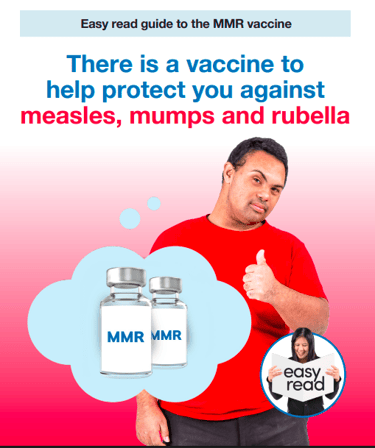
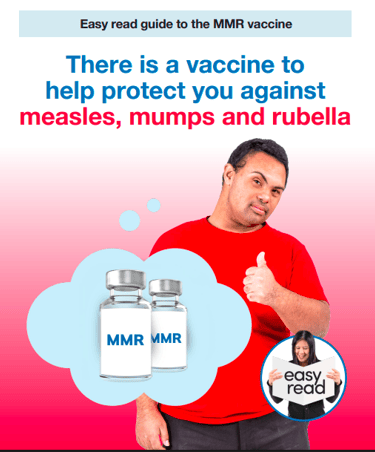
29th July: Easy read information on the MMRV vaccination published
25th June: As part of the GP contract, practices are required to take part in an annual national vaccine catch-up campaign. NHSE has confirmed that this year’s focus on MMR/V follows recent measles outbreaks and the removal of England’s measles elimination status. So, from 7 July 2026, there will be a six-week national invitation campaign for children aged 6 to 11 years who appear to be missing one or two doses of a measles-containing vaccine. Parents and guardians will be advised to contact their child’s GP practice to book vaccination, or to request that records are updated if two doses have already been given. If you work in General Practice, make sure you have have sufficient appointment and vaccine capacity to manage the expected increase in demand for MMR/V vaccination.
20th May 2026: Important notice from GSK about reconstitution of MMRV Priorix Tetra.
8th May: Patient group direction (PGD) template published to support the provision of MMR vaccine to individuals with a date of birth on or after 1 January 2020.
15th April: Why not take the chance to re-read the rubella Green Book chapter now it has been edited (and re-published) to incorporate MMRV...
10th Feb 2026: MMRV programme: information for healthcare practitioners guidance updated to include guidance on use of ibuprofen and the administration of MMRV vaccine to a child who has continued close contact with a pregnant woman.
21st Jan: Some MUCH NEEDED clarification updates in the PGD template for MMRV
31st Dec 2025: Last update of 2025: The Rubella Green Book chapter has been updated to reflect the addition of MMRV.
19th Dec: MMR PGD amended to remove the recommendation to offer MMR to children in the selective catch up cohort who have immunity against chickenpox and require MMR protection; children born on or after 1 January 2020 should be offered the MMRV vaccine instead; clarify Varilrix® and Varivax® as the monovalent varicella vaccines in the appendix; and re-clarify in special considerations and additional information, which MMR containing vaccine should be offered based on date of birth.
17th Dec: The MMRV programme: information for healthcare practitioners has been updated ready for Jan. Also, a common query clarified, ‘What counts as a valid second dose of MMR-containing vaccine?’ Another one to check out and bookmark.
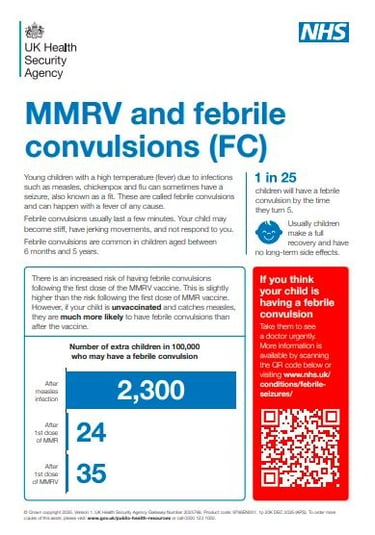
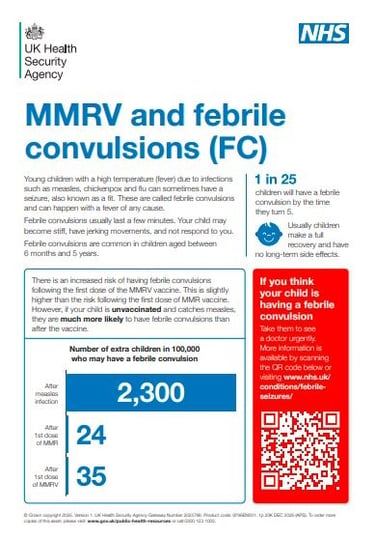
10th Dec: Childhood schedule changes 2025 and 2026: information for healthcare practitioners doc updated to account for MMRV. This is a VERY useful doc. Get it bookmarked ASAP!. This doc has also been produced: MMRV and febrile convulsions. Febrile convulsions are a common in children with a high fever, this guidance explains to parents and carers what a febrile convulsion is, and when to seek medical help.
8th Dec: New MMRV poster for the public. And, if you signed up for the webinar last week about MMRV the resources have been emailed out now. The slides and webinar recording link are here.
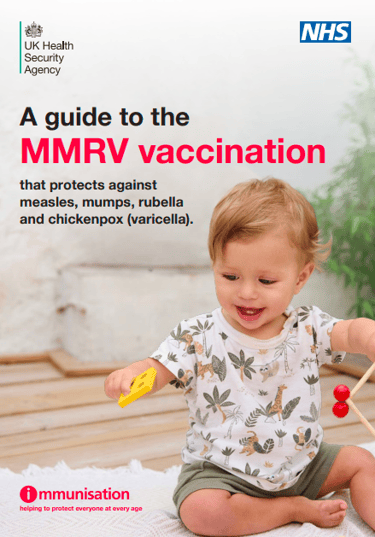
28th Nov: MMRV information for healthcare practitioners is here!
26th November: The latest Vaccine Update newsletter has landed. It's an informative read with some bite-sized summaries around the new MMRV programme (also the PGD's are out for that prog too MMR and MMRV).
6th Nov: Check out the new (very informative) slideset about the MMRV programme.
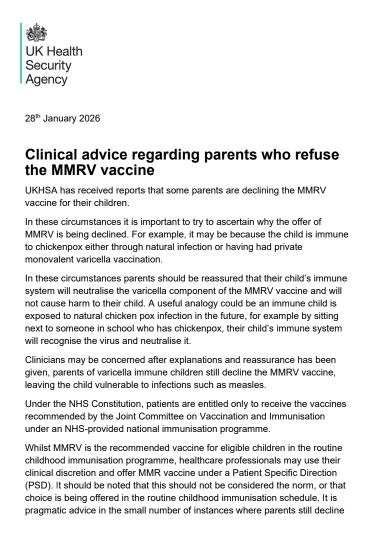
31st October 2025! VERY IMPORTANT DOCUMENTS relating to MMRV programme. AND here's the LETTER
On Wednesday 3 December 2025, 14:00 – 15:15, the UK Health Security Agency (UKHSA) Immunisation Team will be hosting a webinar about the second phase of the planned changes to the routine childhood vaccination schedule which will be implemented from January 2026. This will include the introduction of a varicella (chickenpox) vaccination programme (MMRV) and a new routine vaccination appointment at 18 months of age. Health Professionals only. Sign up here.
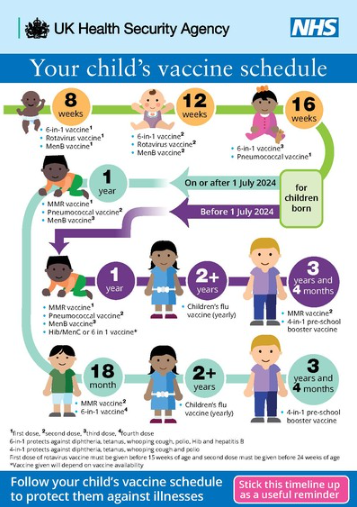
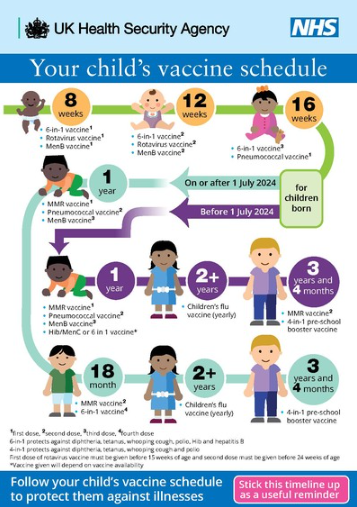
30th April: A BIG update came along today - the 'changes to the routine childhood schedule letter'. Big read with lots of changes to absorb. I won't repeat it all here but do have a good read.... some of this relates to MMR scheduling on the childhood prog. (see UKHSA webinar link on news page in June and consider registering for more info). Expect Green Book updates, PGD changes and perhaps a small amount of chaos while we adapt to the changes. Keep calm and keep the kettle on....
The Green Book chapter was last updated in 2013!
So, like with Mumps, let's have a quick recap on the history of Rubella vaccination with the help of the Green book.
Rubella immunisation was introduced in the UK in 1970 for pre-pubertal girls and non-immune women of childbearing age to prevent rubella infection in pregnancy. Rather than interrupting the circulation of rubella, the aim of this strategy was to directly protect women of childbearing age by increasing the proportion with antibody to rubella; this increased from 85 to 90% before 1970 to 97 to 98% by 1987.
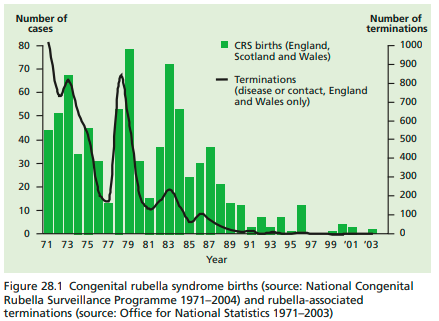
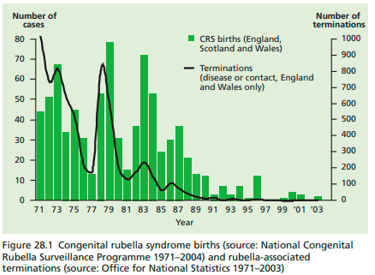
Surveillance for congenital rubella was established in 1971 to monitor the impact of the vaccination programme. During the period 1971–75 there were an average of 48 CRS births and 742 terminations annually in the UK.
Universal immunisation against rubella, using the measles, mumps and rubella (MMR) vaccine, was introduced in October 1988. The aim of this policy was to interrupt circulation of rubella among young children, thereby protecting susceptible adult women from exposure. At the same time, rubella was made a notifiable disease. A considerable decline in rubella in young children followed the introduction of MMR, with a concomitant fall in rubella infections in pregnant women – from 167 in 1987 to one in 2003.
THEN SUCCESS!! In 2015 the WHO announced that the UK had eliminated rubella. There are now very few cases of rubella each year in the UK - not enough for the disease to circulate widely in the population. Rubella vaccination in the UK has prevented roughly around 1.4 million cases of rubella, 1,300 cases of CRS-related birth defects, and averted 25,000 terminations. YAY!!!



Other useful links and further reading:
Sept 2024: Study shows gradual waning of MMR vaccine effectiveness over time. The waning is small, but may have significance, especially in under-vaccinated populations.
MMR Vaccine & Autism claims:
Some findings from the literature
Here are some simple reassuring study findings taken from the Green Book if this becomes a topic of discussion in a consultation:
No increased risk of autism in children vaccinated with MMR compared with unvaccinated children (Farrington et al., 2001; Madsen and Vestergaard, 2004)
No clustering of the onset of symptoms of autism in the period following MMR vaccination (Taylor et al., 1999; De Wilde et al., 2001; Makela et al., 2002)
The increase in the reported incidence of autism preceded the use of MMR in the UK (Taylor et al., 1999)
The incidence of autism continued to rise after 1993, despite the withdrawal of MMR in Japan (Honda et al., 2005)
There is no correlation between the rate of autism and MMR vaccine coverage in either the UK or the USA (Kaye et al., 2001; Dales et al., 2001)
No difference between the proportion of children developing autism after MMR who have a regressive form compared with those who develop autism without vaccination (Fombonne, 2001; Taylor et al., 2002; Gillberg and Heijbel, 1998)
No difference between the proportion of children developing autism after MMR who have associated bowel symptoms compared with those who develop autism without vaccination (Fombonne, 1998; Fombonne, 2001; Taylor et al., 2002)
No vaccine virus can be detected in children with autism using the most sensitive methods available (Afzal et al., 2006).
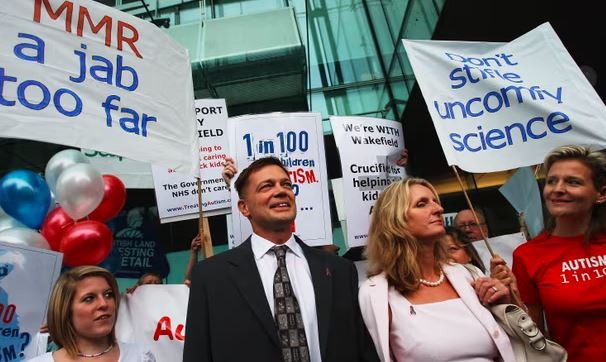
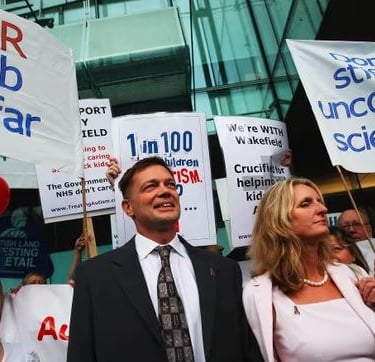
The fake MMR claims that struck fear into generations of parents: Metro article
Have a google of Andrew Wakefield. This discredited doctor is one of the reasons we still see a lot of anxiety around MMR vaccines
Bits and bobs to casually drop into conversation
Did you know....
According to the Green Book:
Maternal rubella infection in pregnancy may result in fetal loss or in congenital rubella syndrome (CRS). CRS presents with one or more of the following:
cataracts and other eye defects
deafness
cardiac abnormalities
microcephaly
retardation of intra-uterine growth
inflammatory lesions of brain, liver, lungs and bone marrow.
Infection in the first eight to ten weeks of pregnancy results in damage in up to 90% of surviving infants; multiple defects are common. The risk of damage declines to about 10 to 20% with infection occurring between 11 and 16 weeks gestation. Fetal damage is rare with infection after 16 weeks of pregnancy, with only deafness being reported following infections up to 20 weeks of pregnancy. Some infected infants may appear fine at birth but perceptive deafness may be detected later.
Before the introduction of rubella immunisation, rubella occurred commonly in children, and more than 80% of adults had evidence of previous rubella infection
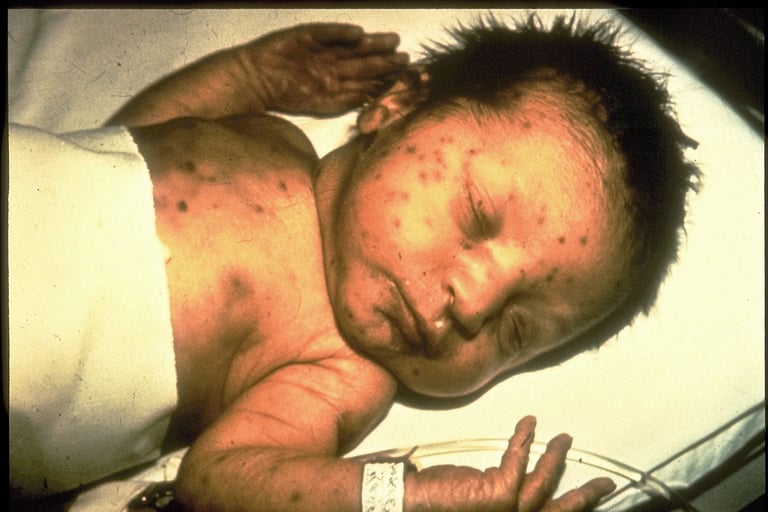
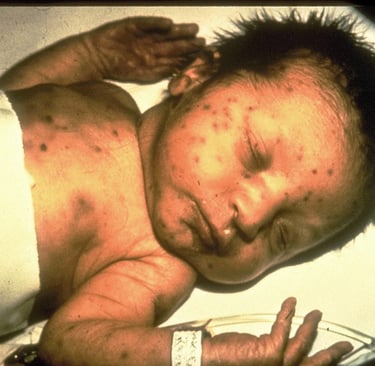
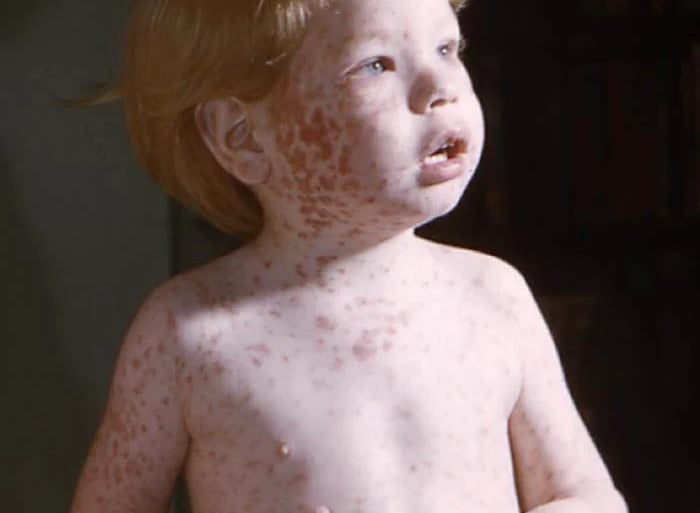
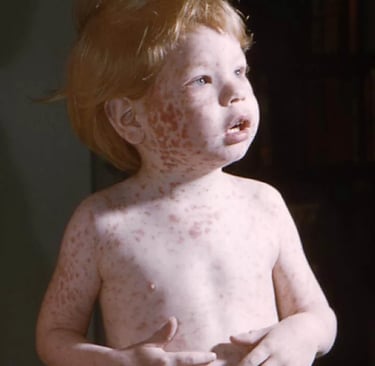
Above: Baby with Congenital Rubella Syndrome. Below: Characteristic macropapular rash indicative of Rubella.
Images courtesy of the CDC and found on the hyperlink on the pictures - visit that link to see more images of Rubella - if you dare!