Stay Awesome

Updates & News
You didn’t come this far to stop learning

September 2026

UPDATES FOR ALL
There is a webinar this month on the 23rd September 1-4pm by the RCN called Vaccination: Nursing staff roles and responsibilities. Could be a good'n! I'm also looking forward to attending the PCN Roadshow later this month in London. Hope to see you there :-) And more CPD: early bird registration is now open for the Global TB Summit 2026 in October.
And another free webinar is coming up this month (30th Sept, 10-4) for RCN members which is worth considering, especially given the big focus on health inequalities at the moment: Supporting people with learning disabilities across the lifespan. NHSE has published new guidance to improve the identification of people with a learning disability and strengthen the delivery of annual health checks and health action plans.
3rd Sept: The FLU POSTER is here! I don't know about you but I always finally feel like it all makes more sense when this arrives...
3rd Sept: More posters (and magnet) updates - the 'keep your vaccines healthy' poster and magnet have been updated with a new design (nice polar bear this time) and product code, with no change to the content itself.
9th Sept: Vaccine update has landed! It's a flu bonanza!!! This was highlighted and I found it very interesting: webinar recording: Seasonal flu vaccine 2026/27 – preparing your school for the autumn programme. This was also released from UKHSA today: Who’s eligible for the 2026 COVID-19 vaccine, or ‘Autumn Booster’?
15th Sept: Vaccination of people with uncertain or incomplete immunisation: New supporting guidance document for healthcare professionals
16th Sept: COVID updates galore!!! Updates have been published today in the Green Book and info for healthcare professionals doc - plus we have a PGD and a VGD!! Keep an eye out for ELfHC updates. Find updated leaflets and stickers here!! And the poster is here!
23rd Sept: ELfHC COVID-19 module has landed!!! So has the latest vaccine update newsletter from UKHSA, which is very useful and includes one of my favourite subjects: RABIES!!
CHILDHOOD/ADOLESCENT/YOUNG ADULT IMMUNISATION NEWS
There have now been 250,000 MenB vaccines given to young people in England between 20 July and 31 August. Well done all!!!
10th Sept 2026: Invasive meningococcal disease in England: annual laboratory-confirmed reports for epidemiological year 2025 to 2026: 348 cases of IMD were confirmed from July 25 to June 26. MenB accounted for 88.8% (309 of 348) of all cases, followed by MenW (19, 5.5%), MenY (5, 1.4%), and MenC (2, 0.6%). 11 ungroupable cases were also reported. MenB was responsible for the majority of IMD cases in individuals under 25 years of age. The provisional IMD case fatality ratio (CFR) in England was 7.5% (26 of 348).
18th Sept: Hexavalent combination vaccine: update to the programme guidance: the number of hepatitis-B containing vaccine doses for children flowchart amended for clarity.
22nd Sept: TB, BCG and your baby poster containing QR codes for translations of the leaflet has been added
TRAVEL HEALTH NEWS
There is a webinar this month hosted by Valneva called Beyond the Outbreak: Rethinking Cholera Risk in Today’s Traveller (HCPs only). It's on the 17th Sept at 4pm with the lovely Simon Carvell. If you can't make it sign up anyway for the recording! Also on that day is a (free) RCPSG webinar 1230-1300 which explores the topic of travel information for people with cancer. Book that here.
Don't forget, there's also the fabulous RCN/NaTHNaC joint conference on 26th September too!
1st Sept: BMJ news: West Nile virus death is confirmed in Netherlands. and West Nile virus: spread rises again in Greece as authorities stay on alert.
9th Sept: Ixiaro should be back in stock again soon! Yay! Valneva anticipate having good supply of Ixiaro again for the rest of this year.
14th Sept: The Rabies risk assessment form has been removed now but is still being used by the clinicians at UKHSA. Worth following this advice in the event of a post eposure client and getting as much info as you can relating to the bullet points if you need to call about them.
21st Sept 2026: Dengue Green Book Chapter updated: see the portal for more info.
ADULT IMMUNISATION NEWS
3rd Sept 2026: The annual overview of respiratory syncytial virus (RSV) surveillance results from the winter period is available for perusal....Also, uptake data has landed for both the maternal and older adult RSV programmes.
8th Sept: The Pneumococcal Info for HCPs guidance has now been updated to include people who experience homelessness (PEH) as a new risk group from 1st October 2026. They have also added further clarification of risk group information, and revised the text about use of PPV23 and PCV20 now that the latter is available to order. They also added a health equity statement.
9th Sept: WHO prequalifies multi-dose RSV vaccine vial, paving the way to protecting more infants globally
My reading list this month
Rabid Beaver Alert!!! Beaver at Maryland state park tests positive for rabies following latest attack
and... thanks for this one Fray....Rabid seals bite at least 176 people as fatal disease spreads, threatening other species
Nigeria’s Lassa fever death count surpasses 2025 as outbreak worsens
Governors commit to accelerating leprosy elimination across Indonesia. Indonesia remains among the countries with the highest leprosy burden globally, with more than 16 000 new cases reported in 2025. Children accounted for 9.1% of new cases, showing that transmission is still occurring in households and communities.


CLICK ON A VACCINE FOR A DEEPER DIVE (all the news items also go into the individual portals if you want to concentrate on updates for a specific disease)


August 2026
UPDATES FOR ALL
3rd August: Updated PCV20 PGD template to include the new homeless cohort.
4th August: UKHSA clarification on Healthcare Support Workers and Informed Consent for Immunisation
5th August: Pneumococcal Green Book chapter updated following the MHRA approval of Capvaxive (PCV21) and JCVI advice on people experiencing homelessness.
6th August: Exciting development! The mRNA technology behind Moderna’s Covid vaccine reaches the flu and more exctiing stuff here about vaccines that do not need to be kept cool in a fridge being successfully trialled in patients for the first time
10th August: These are very vaulable guidance docments for any vaccines and here is the latest one specific to Flu which has just been updated: Flu vaccination programme 26-27: information for healthcare practitioners
10th August: Fridge-free vaccine passes first human trial, raising hopes for the hardest-to-reach
10th August: Ooohhhh I like how this is a collection now!! Collection: Immunisation: Equity (information on health equity and equality for immunisation practitioners and other health professionals).
Ohhh I came across this VERY interesting and useful site (thanks to Sarah McGuinness for highlighting it). Check it out!!!! Evidence-based risk visualisation Tool: What's the Risk? I've added it to the hesitancy section so it doesn't get lost in the news feed.
12th Aug: Tetanus guidance updated: Clarification of use of IVIG, clarification of risk assessment approaches, and updated NIBSC testing results of treatment products.
14th Aug 2026: Amended Tetanus Green Book chapter to explain interim PEP guidance.
17th Aug: Time to get the laminator out again! Updated complete routine immunisation schedule is here. This includes updates to the RSV eligible cohort.
18th Aug: Why not listen to this LSHTM podcast about polio? 'Forgotten but not gone'
19th Aug: A visual guide to vaccines poster update! Rotarix packaging image updated, poster updated to reflect the removal of Menitorix (Hib/MenC) from the infant schedule, eligibility for RSV vaccination added.:
20th Aug: For fellow educators this new publication might be useful: Educator development fundamentals: A guide to inform educator development across the NHS workforce
21st Aug: JCVI: current advice and recommendations - latest minutes published.
24th Aug: International immunisation schedules comparison tool WITHDRAWN! WHO comparison tool to be used in its place.
25th Aug: New mRNA Flu Vaccine Makes This Flu Season ‘One to Watch’. In clinical trials, mFLUSIVA (mRNA-1010) was about 26.6% more effective at preventing laboratory-confirmed influenza illness than a traditional flu vaccine. It also produced a stronger immune response than traditional vaccines in adults 65 and older, with similar rates of severe side effects, which remained rare. Also see: FDA approves Moderna’s mRNA flu vaccine, the first to use the technology
27th Aug: Flu vaccination programme 2026 to 2027 updated!! New section: ‘Prioritisation of adult IIV vaccines for 2026 to 2027 (update 26 August 2026)’ added to clarify prioritisation of certain vaccines due to issues in vaccine supply and availability. I wrote a new flu blog inspired by these pesky shortages: Flu Vaccine Supply 2026/27: WHAT WENT WRONG? And what clinics need to do now.
27 Aug: Flu Green Book chapter update!! Updated sections on history and epidemiology of disease, vaccine effectiveness, age specific advice on vaccine type, contraindications (salicylate use and LAIV) and precautions (egg allergy).
27th Aug: New publication: Vaccine prospectus: National Immunisation Programme and vaccine products
28th Aug: Vaccine Update has landed! This one is a back-to-school bumper edition: MenB for eligible teens and new university starters, MMRV resources, SEND vaccination support, flu supplies and a whole stack of updated patient materials. Big practical change: don't forget from 1 Sept 2026, RSV vaccination expands to include adults aged 65–74 in certain clinical risk groups, so check those PGDs/VGDs before autumn clinic chaos begins.
CHILDHOOD/ADOLESCENT/YOUNG ADULT IMMUNISATION NEWS
As of the end of July, almost 90,000 young people had received their first dose of the meningitis B vaccine, as part of the catch-up vaccine campaign. A further 135,000 bookings have been made for the first dose, to take place in the next weeks. NHS England has more details on this.
3rd August: AJV BCG vaccine PGD updated. Lots of changes including removing the requirement for BCG Vaccine AJV to be disposed as a cytotoxic material. No need for the purple sharps bin anymore!
3rd August: UKHSA PCV PGD amended to provide clarity for use of the vaccine, if required for a valid reason, from the age of 6 weeks up to 16 weeks in the action to be taken section.
7th August: Useful new guidance: Supporting vaccination for SEND children and young people
24th August: Routine childhood immunisation schedule updated. The routine childhood immunisations schedule from 1 July 2026 has been added, the schedule now no longer includes the discontinued vaccine Hib/MenC Menitorix
25th August: Childhood schedule changes 2025 and 2026: information for healthcare practitioners updated! Updated to reflect that these programme changes have now been in place for a year, that Menitorix is no longer available, and the last remaining stock of this vaccine has now expired.
25th August: MRV programme: information for healthcare practitioners updated. Updated to reflect that the changes to this programme have been in place for a year, and to clarify common issues and frequently asked questions for healthcare professionals. Well worth a revisit!
26th August: Guidance for healthcare practitioners on the hexavalent vaccine programme, including its use in the selective neonatal hepatitis B programme updated!! Updated to reflect that changes to the childhood programme have been in place for a year, DOB based cohorts have been updated for clarity.
27th Aug: Cover of vaccination evaluated rapidly (COVER) programme: April 2025 to March 2026 - new data available. England’s childhood vaccine coverage is still heading the wrong way: uptake at 12 months fell for every vaccine measured, while MMR1 at 24 months dropped another percentage point to 87.9%. There are a few green shoots in the older children, but with MMR2 at just 83.8% by age five and persistent gaps in London and more deprived areas, it seems the immunity postcode lottery is very much still with us.
TRAVEL HEALTH NEWS
Be aware that falsified rabies vaccine is still circulating through unauthorised sources in Philippines and also NaTHNaC have some advice for travellers and health professionals while Ixiaro is out of stock.
4th Aug: Updated TBE green book chapter!. Key updates in this revised chapter include updated content on the disease and epidemiology (including detection in the UK), Tables showing vaccine schedules and reinforcing immunisations, and updated content regarding severe egg allergy no longer being a contraindication to immunisation.
14th Aug: Drought may have driven Brazil’s first yellow fever outbreak in nearly 80 years
18th Aug: Watch NaTHNaCs webinar recording: 'getting to grips with Chikungunya'
20th Aug: World Mosquito Day: Developing the next generation of tools to stay ahead of insecticide resistance
26th Aug: An outbreak of mpox in countries that previously had no cases is occurring. This includes Guinea-Bissau and Sierra Leone, with concerns being raised with around half of cases being in children under 15 years of age. BUT the good news is that the Ebola outbreak in Uganda has ended following 42 consecutive days without a new confirmed case. (The 42-day period is the equivalent to twice the upper limit of the incubation period for Ebola). And...The DRC has received its first shipment of more than 16,000 doses of Ebola vaccines.
26th Aug: Frankfurt Airport workers die after malaria infection. An unusual cluster of malaria cases at Frankfurt Airport infected six employees, two fatally. Mosquitos brought in on an aircraft are thought to have caused the infections. A reminder that mosqitoes sometimes go on holiday too...
ADULT IMMUNISATION NEWS
Find answers to frequently raised questions relating to the national gonorrhoea vaccination programme using 4CMenB vaccine here.
Prenatal pertussis vaccination coverage in England from January to March 2026, and annual coverage for 2025 to 2026 annual coverage has been published.
Results:
was (an encouraging) 73.0% in 2025 to 2026, compared with 65.6% in 2024 to 2025 and 58.6% in 2023 to 2024
annual coverage by Commissioning Region ranged from 65.3% in London to 80.4% in the South West
annual coverage by deprivation ranged from 82.2% in the least deprived decile and 63.1% in the most deprived decile
6th August 2026: A study has found that patients with eczema might be at increased shingles risk. Interesting finding! The study found that having a diagnosis of eczema was associated with a 28% increase in the risk of developing shingles, and this link was stronger in young people than in those aged over 50.
13th Aug: Great news from gov.uk...but still more to go... Newborn ICU admissions drop 50% in first full year of RSV maternal vaccine programme
My reading list this month
Atopic dermatitis is associated with herpes zoster in adults – A matched cohort study using electronic health records data in England. Eczema and shingles may be more closely linked than we thought: adults with atopic dermatitis had a 28% higher risk of herpes zoster, rising to more than double in severe disease. And it wasn’t just the immunosuppressants doing the mischief! The association persisted after adjusting for treatment, adding another argument for thinking about shingles vaccination in this group...
‘The payment is small and the paths are steep’: the women saving India’s remotest people from polio. Two drops, a cool box and a 20 km mountain trek: women vaccinators in Kashmir are going extraordinary distances to keep India polio-free. A reminder that eradication isn’t the finish line; maintaining it takes relentless surveillance, vaccination and some seriously determined feet.
Recombinant shingles vaccination and the risk of cardiovascular events (Shingrix may be an overachiever: as well as preventing shingles, it was associated with a 9% lower cardiovascular disease burden over 7 years in adults aged 60+. Heart protection wasn’t on the label - and causation isn’t proven yet - but this is another intriguing hint that vaccines can have benefits well beyond the infection they target. Go Shingrix!! Thank you Prof Vasan for sharing this article with me :-)
Artificial Intelligence used to design brand new viruses - clearly AI is not just for telling me what to make for dinner from the reminants I have in my fridge. The possibilities are endless!!
AI predicts vaccine response based on pre-existing antibody patterns. Oooh this was intriguing! AI identified pre-vaccine antibody “fingerprints” that could predict who would mount a strong or weak COVID-19 vaccine response. The intriguing bit? Some antibodies to completely different bugs - including RSV and Staph aureus - appeared to act as little “immune readiness” signposts, potentially opening the door to more personalised vaccination strategies...
Ebola virus behind massive outbreak in DRC could be mutating Eeeek
He's at it again :-( Trump returns to controversial vaccine policy with order questioning childhood schedule So MHRA have stepped in with some reassurance and endorsement that vaccines are SAFE
No early success for Moderna’s norovirus vaccine in phase 3 trial :-(
Advancing Strep A vaccine development: Insights from India - this article also took me to further interesting information which you can find here.


July 2026
UPDATES FOR ALL
1st July: Vaccine update has landed. Check out the MenB special.
16th July: Flu vaccines 2027 to 2028: JCVI advice is here... check out the addition of aIIVc - and a possible (but-unlikely-due-to-cost) mRNA flu vaccine!
16th July 2026: JCVI have clearly been busy with future planning because this statement about 2027 from JCVI also arrived today: COVID-19 vaccination in autumn 2027. They advise that in autumn 2027 vaccination should be offered to adults aged 80 years and over, residents in a care home for older adults, and individuals aged 6 months and over who are immunosuppressed. Worth noting the age change there...
16th July: The national flu vaccination programme training slide set 2026 to 2027 is here!! Check them out :-)
22nd July: A humanitarian worker in the DRC has been medically evacuated to the UK after a potential healthcare‑related exposure to Ebola. There were three confirmed Ebola cases in the UK between 2014 and 2015 - all involving healthcare workers returning from west Africa. All recovered and there was no onward transmission. However, things are not great in Africa sadly. As of 19 July the DRC government has recorded 2,423 confirmed cases of Ebola, including 967 deaths, since the outbreak was declared in mid-May.
21st July 2026: Few tweaks to the Influenza vaccines marketed in the UK poster.
23rd July 2026: The interactive flu immunisation e-learning programme, written by UKHSA, and produced by Health Education England’s e-Learning for Healthcare has been published. Get your flu stickers here!
27th July: Keeping up to date TIP!! emc change notifications are now live on emc. Automatic alerts whenever an SmPC, PIL or aRMM changes for a medicine you follow, follow as many or as few as you need and enjoy confidence that you’re always working from the most current medicines information (although remember Green Book guidance often trumps SPC guidance if there is a discrepancy).
29th July: We have an RSV VGD!!! The PGD inclusion criteria has also been extended in the older adults’ programme to incorporate updated JCVI recommendations for those with underlying health conditions, aged 65 to 74 years of age.
The July Vaccine Update is here!
30th July: nice news to end the month - personalised cancer vaccines becoming a reality...
CHILDHOOD/ADOLESCENT/YOUNG ADULT IMMUNISATION NEWS
Don't forget the MMR catch up campaign starting on 7th July for the 6-11s! Get the supplies in. While we are on measles vaccines, don't forget about this Important notice from GSK about reconstitution of MMRV Priorix Tetra.
7th July: Another rotavirus update around interchangeability of vaccines. More about this in the portal.
7th July: MMRV catch-up campaign – clarifying the latest NHSE announcement - which is this if you haven't seen it: "Around a million parents urged to book new ‘four-in-one’ NHS jab to protect young children against measles"
The announcement above encouraging parents of children aged 1–11 years to book the new four-in-one MMRV vaccine might understandably cause some confusion. While the public messaging refers broadly to the "new four-in-one jab", the operational guidance for practices distinguishes between the current measles catch-up campaign and the separate selective varicella catch-up programme.
Basically:
Children aged 12 months to under 6 years: GP practices should proactively call and recall eligible children who are missing one or two doses of measles-containing vaccine.
Children aged 6–11 years: A phased national invitation programme will encourage parents to contact their GP if their child is missing MMR. Practices should check vaccination status and offer vaccination where clinically appropriate, but this is not the same proactive call-and-recall programme.
What about MMRV?
A separate selective varicella (MMRV) catch-up programme begins on 1 November 2026 and runs until 31 March 2028. This is not for all children aged 6–11 years. It is limited to children born between 1 January 2020 and 31 August 2022 who have not had chickenpox or received two doses of varicella vaccine. Children born on or before 31 December 2019 remain eligible for catch-up MMR, but are not included in the selective varicella catch-up.
My concern is that some parents may ask whether they should delay MMR vaccination until November in the hope of receiving MMRV instead. Current national guidance does not recommend delaying measles vaccination. The purpose of the current campaign is to improve protection against measles as soon as possible, following recent outbreaks and the loss of measles elimination status in England.
8th July: A country that made huge progress on measles now reports 120,000 cases
16th July: Exciting prospects!!...along with the COVID and flu advice above, JCVI has also published new recommendations for a routine adolescent MenB vaccination prog today. I've been eagerly waiting for this as I'm sure a lot of you have. The Department of Health and Social Care will consider the recommendation before a decision is made on any changes to the NHS MenB vaccination schedule but it looks promising for a menB routine vaccine for the teens! Read all about it here. Further info in Vaccine Update which came towards the end of July.
20th July: The children'f flu poster is here!
20th July: GOOD LUCK to those of you who are starting the MenB adolescent vaccines today. Here's a reminder of where you can find all the key guidance around this time-limited offer.
TRAVEL HEALTH NEWS
2nd July: The extremely sad case of the 11 year old boy who died of rabies in Canada when he woke up to a bat on his face, has featured a lot in the news lately. The incident happened in 2004 but the full case report has just been published in a journal recently which is why it is getting a lot of news attention.
Also on 2nd July, the WHO reported a confirmed case of Marburg Disease (MARD) in Kyegegwa district, Western Uganda. NaTHNaC has published a news item on it.
Sexually transmitted Shigella - worth knowing: UKHSA figures show that the number of Shigella infections in England thought to have been passed on through sexual contact rose from 2,052 cases in 2023 to 2,560 in 2025. A study published in The Lancet looked at 3,514 samples of one type of Shigella, collected from people aged 16 and over across the UK between 2004 and 2020. The researchers found that strains linked to sexual transmission appeared to spread over much greater distances. Closely related strains were found an average of around 117 km apart, compared with around 46 km for strains not linked to sexual transmission. Antibiotic resistance was also more common. Around 69% of the sexually transmitted strains were resistant to at least one antibiotic used to treat the infection, compared with 40% of other UK-acquired strains and 49% of strains linked to overseas travel. And in case you're wondering, check out this article: Shigella vaccine shows promise in phase 2 trial
Please take a look at this NaTHNaC study and consider participating if you are involved in risk assessment where Japanese Encephalitis vaccines are concerned.
New link to the RCN Travel Health Nursing Career and Competence Development doc (although note it is still under review).
14th July: A traveller who contracted Ebola in the DRC arrived in Germany for treatment. The patient was a humanitarian worker who had been in Bunia, the capital of the north-eastern Ituri, which is at the center of the Ebola outbreak declared in mid-May.
14th July: Nigeria’s Lassa fever death count surpasses 2025 as outbreak worsens
15th July: The new malaria vaccine helps in Africa but faces a test: Completing all 4 doses
16th July: UKHSA has published the case numbers of selected travel-associated infections reported in England, Wales and Northern Ireland: January to June 2026. Catch the highlights here.
16th July: WHO: Uganda is silent on updates following disclosure of Marburg outbreak
There has been a major cyclosporiasis outbreak in America, with thousands of cases reported across more than 30 states. The intestinal illness has been linked to contaminated shredded iceberg lettuce served at some Taco Bell restaurants in five states. Take care with those lovely summer picnics!
Measles in Maldives: The Resurgence of a Scourge
21st July: Rabies Post Exposure Guidance updated: Advisory notices have been raised by the Philippines FDA regarding the distribution of falsified rabies vaccines in the Philippines. The falsified vaccines were relabelled as Speeda and Vaxirab-N vaccines. The UKHSA is undertaking a review of the records of individuals who have received rabies vaccine as part of their PEP course in the Philippines, and is in the process of contacting GPs if their patients are recommended to receive additional vaccines to complete their PEP. Anyone with concerns about a patient who may have received falsified rabies vaccine in the Philippines can contact RIgS for further advice.
27th July: First volunteer vaccinated in Ebola vaccine trial
26th July: Explosive mpox outbreak causes 3,000 cases in Madagascar
BE AWARE THAT THE NaTHNaC HELPLINE PHONE NUMBER IS CHANGING ON 24TH AUGUST. MORE DETAILS TO FOLLOW.
ADULT IMMUNISATION NEWS
1st July 2026: Look what's here... another RSV expansion! Read all about it here: RSV vaccination: expansion of eligibility to older adults in certain clinical risk groups (from 1 September 2026). Amended PGD and new VGD should become available in August.
Alongside the measles drive below, there is also an NHS England national RSV invitation campaign to support uptake of RSV. During July, invitations will be sent to individuals aged 80 years and over that became eligible for the older adults RSV vaccination programme from 1 April 2026. The invitation will advise people to contact their general practice to book an RSV vaccination appointment. In areas where community pharmacy providers are commissioned to deliver RSV vaccinations, the invitation will also include a link to the National Booking Service and RSV walk-in service finder. Try to make sufficient capacity to meet the expected increase in demand for RSV vaccination appointments...
On the topic of RSV, here's my latest blog: RSV, Guillain-Barré Syndrome, and the Psychology of Rare Risks
6th July: Updates to this important guidance: Inadvertent vaccination in pregnancy (VIP) - Advice for health professionals on pregnant women who are inadvertently vaccinated against chicken pox (varicella), shingles or measles, mumps, rubella.
14th July: Just spotted this news (after logging off an annual imms update so I hope those lovely delegates spot this if you are now browsing my site :-) : Information on the inclusion of people experiencing homelessness (PEH) as a new clinical risk group eligible for pneumococcal vaccination from 1 October 2026.
20th July: Template for GPs to invite patients at risk of flu due to a medical condition or age, and their carers, to have their annual flu vaccine updated
Don't forget to check out this new slideset about co-oadministration of adult vaccines!
My reading list this month
Podcast: The Future of Immunological Medicine: Why Immune Responses Differ
What Ebola and Marburg are teaching us about the next pandemic
With a Tiny Device, the Fight Against TB Takes a Giant Step Forward
Cholera: Borno records 274 new cases in 24hrs as toll hit 4,204
New US poll identifies large ‘malleable middle’ on vaccine misinformation
COVID-19 vaccine boosters may protect against future animal coronavirus outbreaks
CDC urges people to prevent mosquito bites as West Nile virus season hits a strong, early start
Changing the story of schistosomiasis: How VASA is advancing a vaccine for Africa
Artificial intelligence could usher in a new era of vaccine development
New HIV vaccine shows unprecedented success in primate studies
Dengue: Drones are deployed in Sri Lanka as outbreak passes 55 000
UK begins human trials of Ebola vaccine developed in just eight weeks
Lethal hantavirus at sea: Infectious disease outbreaks on cruise ships and limits of preparedness
Plasmodium knowlesi malaria in Europe: a new imported case in Spain and a case review
Ebola cases surge past 2,000, now fastest-growing outbreak in history
A Group B strep vaccine could save thousands of lives. But countries need to prepare now
India's Serum Institute partners with Gates MRI to make experimental TB vaccine
Is it time to systematically address HIV pre-exposure prophylaxis in travellers?
Phase 2b clinical trial of promising TB vaccine candidate MTBVAC has reached full enrollment
High-Dose vs Standard-Dose Influenza Vaccines in Older Adults: A Meta-Analysis


June 2026
UPDATES FOR ALL
This seminar looks good and is FREE! Re-thinking pandemic preparedness. This event will explore the current landscape of pandemic preparedness, who it serves and what learnings can be taken from social science research to better inform future preparedness. Date: 17 June 2026 Time: 12:30 – 14:00 UK time Location: Keppel Street LG19 or online
4th June: Flu briefings for primary and secondary schools added to the 2026 to 2027 flu collection.
5th June: Vaccination of individuals with uncertain or incomplete immunisation algorithm updated again: Print versions updated to reflect the changes to the RSV programme in that all adult resident in care homes are now eligible for RSV vaccination.
9th June: There has been an amendment or two to the annual flu letter. The flu Green Book chapter has also been updated to reflect that people experiencing homelessness have been added to eligible risk groups.
10th June: Will the World Cup kick off disease outbreaks? Don’t expect pathogens to steal the show, says research group that studied the risk of visiting fans spreading infections.
10th June: Much needed: Understanding and addressing immunisation inequities toolkit. A toolkit to support local and regional stakeholders to understand and act on immunisation inequities in the populations they serve.
10th June: US measles cases pass 2,000 this year as outbreak nears worst in decades. The US has recorded more than 2,000 confirmed measles cases so far this year – near the total of 2,228 recorded in all of 2025, and on track to become the worst year for measles in decades
11th June: Latest measles figures published as two deaths confirmed in 2026
18th June: We have a flu VGD!!! And also the PGD has landed.
22nd May: Vaccine update has landed!
25th June: As part of the GP contract, practices are required to take part in an annual national vaccine catch-up campaign. NHSE has confirmed that this year’s focus on MMR/V follows recent measles outbreaks and the removal of England’s measles elimination status. So, from 7 July 2026, there will be a six-week national invitation campaign for children aged 6 to 11 years who appear to be missing one or two doses of a measles-containing vaccine. Parents and guardians will be advised to contact their child’s GP practice to book vaccination, or to request that records are updated if two doses have already been given. If you work in General Practice, make sure you have have sufficient appointment and vaccine capacity to manage the expected increase in demand for MMR/V vaccination.
25th June: Following JCVI advice, the autumn/winter 2026 COVID-19 vaccination programme will run (alongside flu) from 1 October 2026 to 31 January 2027. Eligible cohorts are the same as last year: adults aged 75 years and over; residents in a care home for older adults; and individuals aged six months and over who are immunosuppressed (as defined in the ‘immunosuppression’ sections of tables three or four in the COVID-19 chapter of the green book).
CHILDHOOD/ADOLESCENT/YOUNG ADULT IMMUNISATION NEWS
4th June: Flu briefings for primary and secondary schools added to the 2026 to 2027 flu collection.
12th June: GREAT MenB news (although I have to admit finding out about this on BBC news)!! Meningitis B vaccine to be offered to a million young people. While each nation has slightly different plans, the one-off MenB vaccination programme (2 doses 28d apart) will broadly be available to:
Most pupils completing Year 13 or S6 in the summer of 2026 - irrespective of their education plans. (Most children from this age group who are not currently in school will also be eligible.)
Young people aged 18-25 starting university or moving into residential further education settings for the first time in autumn 2026
Here's what UKHSA have to say about it in their press release.
And on 29th June links were added to an information for healthcare practitioners doc and training slides, booking information and PGD.
16th June: More info about the MenB implementation - find everything you need here. And the letter is here. Community pharmacies are commissioned under an advanced service specification. The limited PGD is also in situ now. The size of the eligible cohort of vaccinees is estimated to be around 1 million people.
18th June: A new study has found the HPV vaccine has saved around 200 lives in England so far. As part of this, between 2020 and 2024, there were no deaths recorded in women aged 20 to 24 from cervical cancer. Reported in the Guardian - and this is the Lancet study.
Electronic Red Books? What did I just accidentally discover....?
25th June: The latest UKHSA COVER data for January to March 2026 shows a small fall in routine childhood vaccination coverage compared with the previous quarter, including decreases in uptake of the 6-in-1, pneumococcal, rotavirus and MenB vaccines measured at 12 months, and a slight fall in MMR1 coverage at 24 months. There were small increases in some measures taken at 5 years, including MMR1, MMR2 and the pre-school booster, and Scotland and Wales met the WHO 95% target for both 6-in-1 and MMR1 coverage measured at 5 years. However, coverage remains uneven, with the lowest uptake seen in London and more deprived areas. Overall, coverage remains below the higher levels seen over the last decade, suggesting the longer-term downward trend has not yet been reversed. This quarter’s figures are not dramatic in isolation, but they are concerning because they sit within a wider pattern of declining childhood vaccine uptake. The main message for practice is the importance of opportunistic checking, accurate recording, recall systems and clear conversations with parents, particularly in areas where coverage is lowest. Interestingly, regarding the million dollar question around MMRV uptake, they also state "Sufficient data is not yet available to assess whether the introduction of the 18 month appointment has improved coverage of MMRV dose 1, nor to assess coverage of MMRV dose 2, but these will be addressed in future publications."
TRAVEL HEALTH NEWS
NECTM10 in Belfast this month was awesome. Came away with lots of new ideas for additions to the site so I will be busy updating things after I have finished my reflections. The conference felt like a family reunion. Great to be around so many wonderful people in this amazing field of practice. Loved it.
Incidentally, while we are on the topic of education, the RCPSG are putting on more free short 'Let's Talk Travel Health' webinars this year which you may want to sign up for. They were very informative last year and I have already booked my place! Find the booking link here (and also in my CPD section so it doesn't get lost in the news feed).
2nd June: Phase 1 clinical trial set to begin on first leishmaniasis vaccine
8th June: Oh no!! Butantan dengue vaccine temporarily suspended in Brazil after two deaths and 42 severe adverse events among 500 000 recipients
12th June: Thought it was time for a cholera blog. I've neglected cholera recently. Here it is: Keep Calm and Give Cholera Vaccine: Navigating Cholera Vaccination in General Practice.
15th June: WHO issues first ever guidance to advance child-focused dengue treatments and Dengue: Brazil suspends rollout of new vaccine after two deaths
16th June: Africa CDC head warns Ebola outbreak could be worst ever
17th June: New and updated HTML version of the malaria guidelines - check it out!!! IMPORTANT: NaTHNaC are in the process of updating the appropriate country-specific malaria changes on their individual country pages. In the interim period, the UKMEAG Malaria prevention guidelines for travellers from the UK should be consulted for the most up to date country recommendations. Refer to their alert about this here. Don't forget to double check!!! It's now in a new HTML format rather than a single PDF. The main confirmed content updates are revised country advice for India, and the removal of TRAVAX/FitforTravel following retirement of that service. Botswana advice has also been updated, with the high-risk season in northern Botswana now listed as October to May. The underlying ABCD approach and individual risk assessment principles remain broadly unchanged, but the new web format should allow maps and country advice to be updated more readily.
19th June: Rabies post exposure risk assessment form and calendar updated to V7. Note the phone number change.
20th June: A six-year-old Ebola patient and her mother are missing after armed men stormed an Ebola treatment centre in eastern Democratic Republic of the Congo, highlighting the ongoing security challenges facing outbreak response teams.
24th June 2026: Pandemic pathogens, dengue, cholera were world’s largest emerging infectious disease burdens from 2000 to 2022
June 2026: Valneva Supply Update: Valneva reports that supplies of Dukoral remain good. However, Ixiaro is currently out of stock, with resupply expected in late August or early September, although some wholesalers may still have stock available. Ixchiq is also currently unavailable, with resupply anticipated in September. Don't forget you can sign up for stock alerts via Valneva’s supply notification service. Valneva also has a great range of educational materials, including downloadable posters and videos covering chikungunya, Japanese encephalitis, cholera, and mosquito-borne diseases.
ADULT IMMUNISATION NEWS
5th June: RSV training materials update: The link to the maternal vaccination slide set has been updated. Not surprising that the GREEN BOOK has also been updated to reflect the adult prog changes and also to include the MHRA approval of clesrovimab.
11th June: Inadvertent vaccination in pregnancy (VIP) guidance updated. (Advice for health professionals on pregnant women who are inadvertently vaccinated against chicken pox (varicella), shingles or measles, mumps, rubella).
My reading list this month (Ebola seems to have dominated it!):
WHO news: Unsafe food causes 866 million illnesses and 1.5 million deaths annually. Young children are at highest risk.
A revolutionary new vaccine approach! A vaccine that could protect against viruses and prevent pandemics has been designed by AI. The vaccine is been designed to work on all coronaviruses and it is hoped a separate vaccine could be used for flu and Ebola...Exciting stuff eh? (BBC article)
EU secures emergency deliveries of potential treatment against hantavirus
WHO drastically downsizes Ebola case count in DR Congo outbreak
CDC report: Ebola outbreak could rival the worst on record unless world acts
Tools to fight hantavirus show promise despite limited funding. Now researchers hope to continue
Three Ebola vaccine candidates fast-tracked as African outbreak continues
Three Ebola vaccines in development amid growing outbreak fears
CEPI fast-tracks three Bundibugyo ebolavirus vaccine candidates
Outdoor mosquito control must be part of integrated mosquito management
Thailand advances malaria elimination with approval of paediatric tafenoquine
Trump Order Tells CDC to Align With Study Calling for Fewer Childhood Vaccines (grrrr)
Dengue virus infection in travellers after dengue vaccination, Germany 2023–24
First-in-Human Clinical Trial Shows Promising Results for New Lassa Fever Vaccine
A cracked coffin, a funeral and the hunt for Ebola's patient zero
The behind-the-scenes work of protecting World Cup fans from infectious diseases
Australia’s diphtheria outbreak shows why boosters, antibiotics, and better housing all matter
V interesting (and a bit sad too :-() Innovation Interrupted. This interactive tool documents a selection of the projects that have been impacted by the US funding changes. Added it to my 'future of vaccines' page too so it doesn't get lost in the newsfeed.
Moderna’s mRNA flu vaccine gets thumbs up from federal vaccine panel
Ebola Bundibugyo vaccine candidates could enter Phase 1 trials as early as July
Politics :-( HHS asks for expedited appeal of court ruling on US vaccine policy






May 2026
UPDATES FOR ALL
8th May: Patient group direction (PGD) template published to support the provision of MMR vaccine to individuals with a date of birth on or after 1 January 2020.
7th May: UPDATED ALGORITHM! Vaccination of individuals with uncertain or incomplete immunisation status: from April 2026. Updated to reflect changes to the RSV programme, all adults resident in care homes now eligible for RSV vaccination.
14th May: Following confirmation of the outbreak of Andes virus (ANDV), a species of hantavirus, information on infection prevention and control measures for asymptomatic contacts, clinically suspected and confirmed cases has been published. The document includes details about case definition, infection prevention and control measures in healthcare settings, including primary care, community and outpatient settings and risk assessment. It also includes a useful link to clinical pathway actions cards for primary care settings. Evacuations are well underway from the cruise ship. Up to 150 people have started flying home aboard military and government planes, including 22 British passengers.
14th May: Flu chapter of the Green Book updated to include advice on those living with homelessness.
14th May: Oh no!! another MenB death: Student dies and two people being treated after meningitis outbreak in Reading (not the same strain of MenB as Kent).
20th May: This useful guidance has had a re-vamp and I've added it the immunisation guidance section too so it doesn't get lost in the news feed. SPS Vaccines and immunisation: resources to support clinical decisions.
28th May: All the flu vaccine uptake data has landed for 25/26. Seems to be the usual patterns but slight increases across most eligible risk groups. Check out my flu portal for all the details. Also the annual epidemiological report has come in too. If you just want the summary, The main messages of the 2025 to 2026 season are:
The season started in the second half of October 2025 in children and young adults with rising influenza A(H3N2) activity. It peaked around the second week of December (2025) and declined after.
The 2025 to 2026 season was dominated by influenza A(H3N2) subclade K.
Activity started earlier than in the 2024 to 2025 season but also declined earlier and the overall level of activity over the course of the season was lower.
Mortality estimates were lower than in the 2024 to 2025 season.
Vaccine coverage in adults and children was overall similar to the 2024 to 2025 season.
Overall vaccine effectiveness (VE) in adults was lower than last season at 21 to 34%. In children, VE was 51 to 68%.
Modelling indicated that, in England, the vaccination programme prevented an estimated 104,000 hospital admissions and 7,100 deaths.
CHILDHOOD IMMUNISATION NEWS
These two documents have been updated with data up to Dec 2025: Pneumococcal disease: cases caused by serotypes covered by Prevenar 13 vaccine and Pneumococcal disease: cases caused by serotypes not in Prevenar 13 vaccine. This UKHSA surveillance data demonstrates that the PCV13 programme has been highly successful in reducing invasive pneumococcal disease caused by vaccine serotypes. Since its introduction, cases of PCV13-type IPD have fallen dramatically across all age groups, particularly in children under 5 years, with additional herd protection seen in older adults through reduced transmission. Although the companion 'not covered by' report shows a rise in disease caused by non-PCV13 serotypes over time (serotype replacement), overall IPD rates remain substantially lower than before pneumococcal conjugate vaccines were introduced. Together, the reports highlight both the major public health success of PCV13 and the need for newer higher-valency vaccines to address changing serotype patterns.
13th May: Nirsevimab may protect babies from severe RSV better than maternal vaccination
20th May 2026: Important notice from GSK about reconstitution of MMRV Priorix Tetra.
TRAVEL HEALTH NEWS
Hantavirus cruise ship outbreak: WHO and UKHSA are monitoring the hantavirus outbreak linked to a cruise ship, with the risk to the UK public currently assessed as very low (phew). More about it here in the Guardian. And here's some info from the UKHSA. And some from the BMJ here: Hantavirus: French and US nationals test positive as cruise ship docks in Canary Islands. Some information from the BBC regarding vaccine development here. This isn't great news: Hantavirus may survive in human sperm for up to six years and cause a transmission risk
Celebrating Pride abroad? Have a read of this factsheet.
A Scottish Health Board has confirmed 16 cases of cryptosporidiosis, linked to a lamb-feeding experience: NHS Lothian confirms 16 infection cases linked to Edinburgh farm event.
Hepatitis A outbreak in Wales: Parents in Wales urged to ‘be vigilant’ about hand-washing amid hepatitis A outbreak
12th May: RTS,S malaria vaccine averted 1 in 8 deaths among eligible kids in 3 African nations over 4 years
15th May: New outbreak of Ebola kills 80 in eastern DR Congo
17th May: WHO declares Ebola outbreak in Congo and Uganda ‘emergency’ of international concern'
18th May: WHO to give update on hantavirus and Ebola after outbreaks
19th May: Over 500 suspected cases of ebolavirus reported in central Africa as outbreak develops. NaTHNaC are on it with advice!
22nd May: Australia is battling its worst diphtheria outbreak in decades. But vaccines could curb it
21st May: The Guardian reports concerns about the increase in risk of snakebites. It is predicted more snakes will come into contact with people due to increased temperatures, including some of the most deadly snakes being in areas they wouldn't normally be in.
26th May: Lyme disease cases in England rise 20% in a year
27th May: Updated Hajj factsheet from NaTHNaC.
30th May: Bleak news from the BMJ to finish off the month of May :-( Ebola in numbers: Aid agencies warn current outbreak may become “deadliest on record”. And also is chikungunya going to become endemic in Europe and North America due to climate change?
ADULT IMMUNISATION NEWS
7th May: Vaccine uptake data for the RSV vaccination programme for older adults is here. Seems to be on the increase, but uptake in the most deprived decile was 50.3% and in the least deprived decile was 71.8% so big inequalities there. Also, uptake varied by ethnic group, with the highest uptake reported among White - British (67.1%) and the lowest among Asian or Asian British - Pakistani (24.9%). Uptake for the maternal vaccine programme is also updated and at about 63% with the highest uptake reported in the Hampshire and Isle of Wight ICB (76.6%) and the lowest in Birmingham and Solihull (43.4%). Uptake varied by ethnic group again, with the highest uptake reported among the Chinese ethnic group (76.2%) and the lowest among the Black - Caribbean ethnic group (34.2%)
11th May: Study shows doxyPEP’s diminished effectiveness against gonorrhea
29th May: New document published!! The national gonorrhoea vaccination programme using 4CMenB vaccine: frequently asked questions. I've added it to the portal so it doesn't get lost.
My reading list this month:
Time requirements of pre-acclimatization at simulated altitude to prevent acute mountain sickness
UK scientists developing Ebola vaccine that could be ready for trials in months
Cases of Lyme disease in England have risen by 22% in the last year.
Hantavirus outbreak 2026: International responses and key documents
EMA launches new advisory group on vaccine confidence - exciting stuff!!!
Towards national guidance on dengue and chikungunya vaccination in travellers: Lessons from global recommendations. This was really interesting and contains a useful table summarising the different recommendations around the world for IXCHIC and Qdenga.
Why vaccinations are essential for summer travellers - great topical blog by the lovely Dr Oliver Koch
World Cup health security hub launched as measles surges: There are worries around diseases like measles surging as millions of football fans travel across North America for the tournament.
New Evidence Review Affirms Strong Safety and Effectiveness of HPV Vaccines
Aluminium adjuvants in vaccines and potential health effects: systematic review (BMJ). The researchers found only one, benign medical condition potentially related to certain aluminum-containing vaccines: small skin nodules that go away on their own. Fewer than 1% of people given vaccines that prevent diphtheria, tetanus, and pertussis (DTaP) develop these nodules.
New vaccine approach targets broad protection against arenavirus infections. promising findings that may support development of a broader vaccine against arenaviruses — a family of viruses with pandemic potential that share similarities with hantaviruses in how they spread and behave.
I learned a new word in May!! Insilication is a new groundbreaking method for encasing vaccines with very tiny layers of inorganic material to make them thermally stable. Much needed!!



April 2026
UPDATES FOR ALL
Goodbye National Protocols! Hello Vaccine Group Directions! What am I on about? A very useful webinar explaining this in detail can be found at the bottom of this page on SPS. And here is the COVID-19 one!! Get a brew and a biscuit before you click the link.
In case you missed it due to buying Easter eggs (understandable, I did too), also see the vaccination requirements in the updated Network Contract Directed Enhanced Service. It has been updated to include requirements for PCNs to ensure that eligible care home residents are identified and offered flu vaccines. While PCNs are not required to deliver the vaccinations themselves, they must have arrangements in place to ensure residents are offered vaccination. And the Mandatory Network Agreement has been amended to remove the exclusion of Adult Influenza and COVID‑19 vaccination from collaborative delivery, meaning practices can now work together to deliver the seasonal vaccination Enhanced Service under the Network Contract DES.
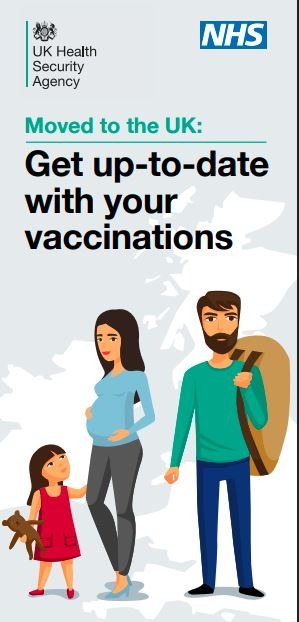
1st April: Migrant health guide updated. Main messages: New migrants to the UK may be at increased risk of certain infections. Healthcare practitioners should provide new migrants with the migrant immunisation information leaflet which advises migrants on the need to register with a GP to get up to date with their routine vaccinations. We should always ask new migrants about their vaccine history and assume that patients aren’t immunised, unless they can give a reliable history of vaccination. Individuals do not need to provide proof of identity, address or of immigration status in order to register with a GP practice to access immunisations. This also applies to asylum seekers, refugees, homeless patients or overseas visitors, whether lawfully in the UK or not.
1st April: Well worth a re-read of chapter 11 in the the green book now it's had a revamp.
13th April: The COVID Spring boosters have begun! Good luck with your clinics :-) NHS England uses the most recent records to invite those eligible for vaccination but, as you are probably finding, information in these records may no longer be relevant if the health condition has resolved or the diagnosis or medicines have changed. Remember to encourage people to check if they are eligible before booking by checking the list on the NHS.uk website.
13th April: This document has had a tweak: Information for healthcare practitioners on delivering the pneumococcal vaccination programme for older adults and individuals in a clinical risk group. Updated with guidance on PCV13 given in error to those aged 2 years and above, and clarification of PCV21 antigen content.
15th April: Also, why not take the chance to re-read the measles. mumps, and rubella Green Book chapters now they have been edited (and re-published) to incorporate MMRV...
...And while we are on measles...Nearly 20 million lives saved in Africa through measles vaccinations
16th April: Mega sad :-( and a good reminder of being vigilant about this horrible disease (especially in the absence of a routine vaccine programme for all): Five newborn babies die from mpox in Pakistan.
16th April: Vaccine update is here. I won't repeat the details here so have a good read! Lots of useful reminders and updates in there. Here are the 'headlines':
More in there about VGD's and the changed medicine regulations.
More about the RSV expansion and reminders of some key documents and guidance.
Some Green Book chapter updates
ImmForm info and reminders and vaccine supply updates
More about the Pneumococcal vaccine change and vaccine presentation (PCV20 has no needles included just FYI - still PFS though)
Same kind of updates and reminders for MMRV
Goodbye to Menitorix from national stock and some final goodbyes to the flu season
Rabies vaccine shortages- it mentions Bavarian Nordics' Rabipur is available with restricted supply until early April and Sanofi's Verorab is available to order with some restrictions – capped at 50 doses per month for wholesalers.
22nd April: Bird flu vaccine trial against potential pandemic strain begins
This month it's second MenB dose time for the eligible Kent students. It is important that everyone who had dose one is given their second dose from four weeks after the first. For those who were offered the MenB vaccine and have not yet received their first dose they remain eligible until 8 May. For students who have returned to university, they will be able to access their second dose at vaccination clinics which are arranged in the local area. For those students who have not returned to the university, they should access vaccination at their own GP practice.
30th April 2026: Resources and information have been published relating to the UKHSA's investigation of the meningococcal bacteria carriage amongst the students aged 18 to 24 in Kent which will be taking place from May 2026.
NHSE has now published the GP additional guidance for seasonal vaccinations 2026/27. This provides information on recording COVID-19 and influenza vaccination events and payments, including where practices are collaborating in their PCNs. In previous years this guidance has only covered the influenza programme. For 2026/27 it has been expanded to cover both the COVID-19 and influenza programmes.
CHILDHOOD IMMUNISATION NEWS
6th April: Emergency jabs after 100 children die of suspected measles in a month in Bangladesh. About a third of those infected in the recent outbreak were under nine months old. A painful reminder about vaccines protecting via herd immunity as well as directly.
7th April: Speaking of measles, this MMRV and MMR vaccination training slide set has been updated. I've posted a good little video in purple below, which goes into measles a bit - with a thought experiment on what might happen if we didn't vaccinate against measles and a comparison of the risk/benefit.
14th April 2026: New research highlights strong benefits of HPV vaccines beyond cervical cancer. For example, Men and boys who received the HPV vaccine from ages 9 to 26 were nearly 50% less likely to develop cancers of the head and neck, esophagus, anus, or penis. A study published in December found that HPV vaccine prevent precancers of the vagina and vulva. Two recent studies suggest that HPV vaccines have created herd immunity, which occurs when vaccinations lower levels of viruses in a population enough to protect even unvaccinated people.
17th April: Encouraging news story. "RSV maternal vaccine cuts baby hospital admissions by up to 85%, Largest real-world study in England confirms premature infants protected by vaccination." The study followed nearly 300,000 babies born between September 2024 and March 2025, representing around 90% of all births in England during this period. More than 4,500 hospitalisations occurred in this cohort, the vast majority in infants whose mothers had not been vaccinated.
TRAVEL HEALTH NEWS
Registration is now open for CISTM20! It's in Bangkok, Thailand from 2–5 May 2027, where clinicians, researchers, educators and public health professionals from around the world will gather for another milestone event.
A new study led by the Harvard T.H. Chan School of Public Health found that Anopheles darlingi mosquitoes, a leading malaria vector in South America, are evolving resistance to insecticides, creating serious challenges for malaria control.
Virus with links to yellow fever discovered in Scotland for first time (Usutu)
Rabies advice from NaTHNaC amidst the shortage... one of the recommendations is to consider an alternative licensed regime (I.E. 0,7d). A sensible approach from an immunity perspective. Lots of evidence for two dose schedules. See this blog for why it's not considered a 'standard' UK approach (albeit when we have plentiful supplies).
25th April: On World Malaria Day (25 April), the WHO joins partners to launch the campaign: "Driven to End Malaria: Now We Can. Now We Must". Since 2000, 2.3 billion cases and 14 million deaths have been averted. To date, 47 countries have been certified malaria-free (of which two in 2024 and three in 2025), while 37 countries reported fewer than 1000 cases in 2024... More like this to come I hope! NaTHNaC explores this further here.
A sad reminder of why packing sterile needles in your medical kit is always a GOOD IDEA!! BBC Eye investigates a hospital linked to outbreak of HIV among children in Pakistan. And read more here too: Hospital at centre of child HIV outbreak caught reusing syringes in undercover filming.
Chikungunya therapy shows promise in first-in-human study
Don't forget the 'lower risk' places!! Hepatitis A is on the rise in Italy: Lazio, Campania, and Puglia are the regions with the most cases. Also CDC issues health warning after outbreak of respiratory diphtheria in Australia.
ADULT IMMUNISATION NEWS
6th April. Just published (but dated 18th March)- could there be another RSV expansion for 64-74yrs? RSV immunisation programme: JCVI advice, 18 March 2026. Statement setting out the findings from JCVI's initial considerations on RSV vaccination in those with underlying health conditions and advice on clinical risk groups for RSV.
2nd April: Shingles uptake and coverage report published (adults in England eligible September 2025 to November 2025 and vaccinated to end of January 2026). Coverage in those aged 66 (33.3%) and 71 (44.6%) is slightly higher than Q1 coverage in those who turned 66 and 71 in 2024 to 2025. Coverage has continued to increase over time in those aged 67 and 72, reaching 45.4% and 56.5% respectively. In the first 4 months of being eligible, so far uptake of Shingrix dose 1 was 18.8% in those who turned 65 in Q1 of 2025 to 2026, uptake of Shingrix dose 1 was 27.0% in those who turned 70, coverage of Shingrix was 26.6% for dose 1 and 20.4% for dose 2 in those who turned 50 and over with severe immunosuppression, and coverage of Shingrix was 2.9% for dose 1 in those who turned 18 to 50 with severe immunosuppression.
2nd April: Prenatal pertussis vaccination coverage in England from October to December 2025 has been published too. This quarterly report evaluates prenatal pertussis vaccine coverage for women who delivered from October 2025 to December 2025, the third quarter of the 2025 to 2026 financial year. The main findings were that:
coverage was 74.8% in October 2025, 75.3% in November 2025 and 75.1% in December 2025
coverage for quarter 3 was 75.0%, which was 7.5 percentage points higher than quarter 3 coverage in the previous financial year
coverage by Commissioning Region ranged from 67.1% in London to 82.4% in the South West
My reading list this month:
The Horrors That Could Lie Ahead if Vaccines Vanish - VERY SOBERING
The US is driving a public health emergency of international concern - Interesting perspective. While a PHEIC has never been declared due to the political actions of a single country, the overriding consideration is risk. The recent U.S. decisions have greatly amplified the risk of international disease spread, which they argue this meets the criteria for a PHEIC under International Health Regulations. The IHRs define a PHEIC as an "extraordinary event" that creates a "public health risk to other states through the international spread of disease."
Beyond the guidelines: real-world challenges in rabies post-exposure prophylaxis
Selfie-related deaths using web epidemiological intelligence tool (2008–2021): a cross-sectional study (restricted access)
Flu vaccination may cut heart attack and stroke risk after infection
IAVI begins first-in-human Phase 1 trial of single-dose Marburg virus vaccine candidate
Time requirements of pre-acclimatization at simulated altitude to prevent acute mountain sickness. Results: Findings from seven controlled studies using repeated intermittent exposures to simulated altitude were included. The cumulative pre-acclimatization time ranged from 7 to 104 hours; altitudes ranged from 2200 to 5000 m. The AMS risk after pre-acclimatization decreased by 12–73% compared to controls, with the degree of reduction depending mainly on the duration at simulated altitude. Extrapolating from these data indicates that, within the analysed altitude range, ~200 hours of pre-acclimatization may reduce the subsequent AMS risk to nearly zero.
Gluten in local Asian cuisines and recommendations for travellers
TB vaccine candidates offer limited protection in phase 3 trial - Neither vaccine in the trial provided protection against all TB, pulmonary TB, and latent TB. But VPM1002 showed a vaccine efficacy (VE) of 50.4% against extrapulmonary TB, which occurs when TB spreads beyond the lungs, and Immuvac had a VE of 33.2% against extrapulmonary TB. VPM1002 and Immuvac showed VE of 64.9% and 66.3%, respectively, against extrapulmonary TB in participants with tuberculin skin-test positivity.
Don’t believe headlines saying that vaccine skepticism is widespread

For a quick recap on how vaccines work and an easy explanation of the mechanisms behind side effects watch this video!
March 2026
UPDATES FOR ALL
This was published in January but adding here (and on this bit of my site) so it doesn't get lost. Could we be seeing a fair few legal and practical changes this year in relation to how immunisations are delivered? Check out the 'PVD' suggestion! Proposal to amend the Human Medicines Regulations 2012 to support the ongoing supply and deployment of vaccinations across the UK: consultation response. If, like me, you find it a bit confusing to trawl through (the reg numbers confused me and I had to keep scrolling back up to see which one it was referring to) I have simplified and summarised it here. I re-did the COVID-19 ELFHC course now it's been updated for Spring and noticed they commented about a new legal mechanism being implemented before the campaign starts too... I wonder if this is what it is referring to? (update - it was, see updates further down)
3rd March: Update to the complete routine immunisation poster to add links to the translated versions of the complete routine immunisation schedule and update to the ‘Complete routine immunisation schedule' from 1 January 2026’ html to include adult schedule.
11th March: Vaccine Update has landed!! Shocking wastage statistics in there eeeek. Other highlights in brief: From 1 April 2026, the eligibility criteria for the RSV programme will change to allow people aged 80 years and over, and all residents (regardless of age) in care homes for older adults, to receive the RSV vaccine. Various documents have been updated so do have a browse of those. Also, UKHSA has received emails from several regional Screening and Immunisation Teams to report incidents where Priorix-Tetra has been administered without being reconstituted. This means some kids have just been injected with water. Be super careful to understand the presentation of the products being administered. On the topic of presentation, there is also a note that from spring 2026, the pack size of Rotarix vaccine will change from a single-dose to a 10-dose pack. The vaccine inside remains unchanged. There is also information about the change from PPV23 to PCV20. There is also a reminder to get the final flu vaccine orders in soon before it all closes.
11th March: There has been a survey added to the 'attitudes' collection around pregnant women's attitudes to vaccination. 800 women took part. There is a summary and a related slideset too.
15th March: Mega sad :-( Two die in university meningitis outbreak - not sure which strain yet *Update - it's Menb*. But if it's a vaccine-preventable one it makes it all the more tragic (*Update : turns out it is*). Keep an eye on live updates here. Could we be anticipating a vaccine catch up? (Update: Targeted locally, yes, alongside prophylactic ABX) UKHSA is on it... let's await further news. MenB for adolescents has been discussed for a while now. Those poor students :-( so sad. Here's some more from UKHSA: Latest updates from the ongoing outbreak.
17th March: Meningitis outbreak in Canterbury and east Kent: The Secretary of State Wes Streeting updated the House of Commons on the meningitis outbreak and the latest steps being taken to support those affected.
18th March: Outbreak of invasive meningococcal disease, South East England: This alert outlines recommended courses of action to manage cases with infection and contacts. Also take a look at this: Meningitis B outbreak: what you need to know. AND here is the inevitable letter to ICBs.
18th March: Green book chapter update alert!! COVID-19. Updated vaccine information (types, storage, administrations and dosing) for the Spring 2026 campaign. Sections of the chapter have been restructured for easier use (PHEW!).
17th March 2026: ELfHC module updated, ready for April! Check it out if delivering COVID-19 vaccines. PGD also ready to go.
19th March: Meningococcal disease outbreak resources for those in areas affected by the outbreak: resources to support the meningococcal outbreak response. The Health Secretary says he’s making 20 thousand more vaccines available and everyone who has had antibiotics (the most important immediate action) is also being offered vaccines.
19th March: From the primary care bulletin: MMR vaccinations for practice staff:
"Due to the recent measles outbreaks, GP practices are permitted to administer MMR vaccines to their eligible staff who are registered with another practice under INT (immediately necessary treatment). This is a time limited arrangement from 1 April 2026 to 30 September 2026. Completing doses must be administered in accordance with the recommended intervals in the Green Book and by 30 September 2026."
19th March 2026: New COVID-19 vaccine posters!
20th March 2026: MenB strain may have evolved to be more transmissible (BMJ)
21st March 2026: A meningitis B training slide set for healthcare professionals delivering vaccinations is available to download.
23rd March 2026: Meningitis: Kent outbreak “passes peak” as one new suspected case is reported in northwest England (BMJ). In response to the outbreak, over 12,500 young people have received antibiotic treatment and over 9,000 have received vaccinations. This is a pretty incredible effort, well done to those who got on it quickly.
23rd March 2026: Useful bit of info around VGDs from SPS. Interesting that it talks about them being introduced in the past tense in April 2026 (which isn't here yet as I'm writing this haha). SPS are clearly on it with future-proofing their articles! I also had a go at a blog just so I could make myself clear on it (copied SPS logic and went with talking from the future seeing as it looks like it's happening pretty soon). Often writing it down helps me work things out. It's called VGDs, PGDs… OMG? Making Sense of the New Vaccine Rules. A very useful webinar explaining this in detail can be found at the bottom of this page on SPS.
25th March: Kent meningitis outbreak prompts rush for routine vaccinations in England
26th March: Flu uptake data updated. Check out the GP patients uptake here and frontline healthcare workers here. Summary is overall: 65+: 74.5%, clinical risk groups: 40.6%, pregnant women, 38.4%: 2 yr olds: 43.5%, 3yr olds: 44.8%, frontline HCPs: 46.1% (better than the 37.5% compared to last year).
CHILDHOOD IMMUNISATION NEWS
5th March: Calling all school nurses! This was just updated: Supporting immunisation programmes
17th march: Green Book chapter update alert! Hib: Updated to include the latest epidemiological data and align with current guidance on vaccination for case contacts and in outbreak scenarios.
19th March: Decided it was time for a rotavirus blog: Rotarix: Starter or Dessert?
25th March: Further updates in the rotavirus Information for Healthcare Practitioners guidance regarding vaccine interchangeability and administration via a feeding tube.
26th March: Quarterly Uptake data updated. Scotland and Wales seem to be doing better on MMR and the 6in1 than England on the whole, although it's highly variable by region.
TRAVEL HEALTH NEWS
Loving the new CPD section on Travel Health Pro- check it out! Also have a browse on ISTMs sparkly new resource center.
5th March: Ahhh more signs that brighter days are on their way with a factsheet about Spring travel from NaTHNaC.
4th March: Check out the latest Polio news from the 44th Emergency Committee meeting. In the latest International Health Regulations Statement, countries with a change in polio status since the last meeting (which may mean a change to polio vaccination recommendations) are Finland, Germany, Ghana, Laos, Namibia and Spain. In addition to listing the current polio status of a country and changes to status in their regular review meetings, the Emergency Committee stipulates criteria that must be met in order to assess whether a country is no longer infected by wild polio virus 1 (WPV1) or circulating vaccine derived poliovirus (cVDPV); a country assessed as 'no longer infected' is monitored for a further 12 months. It's worth noting that the most recent cVDPV detection in the UK was on 16 Sep 2025 (find the related category explaining what to do about this in the full report). Afghanistan and Pakistan are of particular concern for WPV. However, in 2025 (as of 31 December), a total of 202 cVDPV cases and 218 environmental detections were reported globally across 27 countries. The Committee unanimously concluded (yet again) that the risk of international spread of polio viruses continues to constitute a Public Health Emergency of International Concern (PHEIC) and recommended extending the temporary recommendations for a further three months. The Committee, after a thorough review of the epidemiological and programmatic situation, unanimously concluded that the event does not constitute a pandemic emergency. Still pretty worrying though eh?
12th March: Qdenga contender...? Butantan dengue vaccine estimated to be 81% effective against severe disease for at least 5 years
17th March: Chikungunya vaccine in UK travellers: JCVI advice. - but no further mention of the under 60 comorbidities (hypertension, cardiovascular disease, diabetes mellitus, and/or chronic kidney disease) or 30 day prior to travel administration with IXCHIQ highlighted in feb by MHRA.... I feel like I missed something? Maybe I did. Been a long day.
Just announced! The date for the RCN/NaTHNaC conference in 2026 is 26th September. Can't wait! I go to this every year and always learn tonnes. Register your interest here.
29th March: UKHSA published the travel-associated infections report with case numbers of selected travel-associated infections reported in England, Wales and Northern Ireland during 2025. Quick summary here:
Chikungunya cases rose to 160 in 2025 (from 112 in 2024), mostly linked to travel to Sri Lanka, India and Bangladesh.
Cholera cases increased to 14 (from 9); nearly all were travel-related, mainly to Pakistan and India.
Dengue cases fell to 344 (from 904), with travel to India, Thailand and Indonesia.
Rickettsial infections were similar (40 vs 44), mostly linked to South Africa.
Zika cases dropped to 7 (from 16), mainly after travel to India and Thailand.
Oropouche virus was reported for the first time (3 cases), linked to Brazil.
No cases of Japanese encephalitis or yellow fever were reported.
ADULT IMMUNISATION NEWS
11th March: RSV Information for Healthcare Practitioners updated to include expansion to 80+. New slide set produced too. Check them out! From 1 April 2026, all adults aged 75 and over or those living in a care home for older adults can get the RSV vaccine. Please support those eligible to come forward through opportunistic conversation and by utilising the communications assets available on the Campaign Resource Centre.
18th March: Whilst we are on RSV... RSV vaccination for older adults and pregnant women in the East of England: Synthesis of learning from a community pharmacy pilot
27th Feb 2026: Meningococcal B vaccine fails to prevent gonorrhea, trial finds. Eeeek this is not great news :-( gonorrhoea is able to evade almost every medicine used to treat it.
CLICK ON A VACCINE FOR A DEEPER DIVE (all the news items also go into the individual portals if you want to concentrate on updates for a specific disease)
My reading list this month:
GOV.UK News story: Midwives remain the most trusted source of information on pregnancy vaccination
Scientists identify ARK1 protein that stops malaria parasite growth
Vaccinating bats could be good for people. But how do you vaccinate a bat?
Scientists turn mosquitoes ‘into a vaccination tool’ to immunise bats against rabies
British Columbia Oysters Recalled For Norovirus Outbreak. The oysters were sold to restaurants and food retailers in these states: California, Colorado, Florida, Hawaii, Illinois, Maryland, Nevada, New York, Pennsylvania, and Washington. They may have been sold in other states as well. Eeek!
IAVI announces enrollment of cohort of people without tuberculosis (TB) infection in Phase 2b trial of TB vaccine candidate MTBVAC. Additional enrollment of 1,200 participants could ultimately enable a fast track to licensure
FDA approves use of RSV vaccine in at-risk younger adults (Arvexy)
Moderna’s 2-in-1 flu and COVID vaccine shows encouraging results in small trial
BMJ opinion piece: Systemic weaknesses lost the UK its measles elimination status
Public urged to avoid Colo-i-Suva after teen’s suspected leptospirosis death
Eleven Dead and Counting. Ghana’s Meningitis Season Is Here Again
Study warns of underrecognised Lassa fever threat with global implications
Vaccine Integrity Project kicks off evidence review of Tdap vaccine in pregnancy
Analysis suggests rope squirrels are a natural reservoir of mpox virus
CDC: Unvaccinated international traveler spread measles to 17 other travelers to, within US
Marburg virus enters human cells far more efficiently than Ebola
Zika virus infection in a German traveller to the Maldives, August 2025
These diseases were thought to be incurable. Now AI is unlocking new treatments
New vaccine to stop deadly meningitis epidemics confirmed to be safe
Guinea-Bissau officials stop CDC-funded hepatitis B vaccine trial
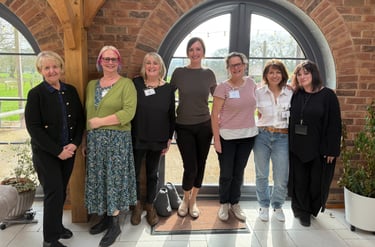
Had a lovely day earlier this month in Exeter teaching on this masterclass. Big drive from Manchester but well worth it to hear talks from some brilliantly strong and passionate women. The day started with an update from Jane Chiodini that hit all the right spots. Then came a fabulous talk about travel with children from Cat Brewer. Following this there was an informative talk from Johanna, lead RIGS nurse. And next came a very powerful talk from Cathy Foley, a mother who told the story of loosing her son to carbon monoxide poisoning. I cried all the way through and Jane had to keep passing me tissues. Learn all about the story around her son, Hudson, here and PLEASE get a carbon monoxide detector if you have any fuel-burning appliances, and recommend to all your travellers!!

Calling all vaccinators!!! Look out for MenB contacts all across the UK (students are heading home and that could be ANYWHERE): All GP surgeries can offer MenB vaccine to certain groups. As of 19th March, this includes:
Students at the University of Kent who are normally resident on the Canterbury Campus, including those who may have now travelled home. Some staff living or working in these Halls of Residence have also been offered antibiotic prophylaxis.
Students in relevant halls of residence or other private dwellings who attend other universities in Canterbury and have been advised to take an antibiotic due to a close contact.
Individuals who attended Club Chemistry from 5 March until it closed voluntarily on March 16.
This list may be added to in the coming days as further information emerges.
Sixth form or other year groups and education settings in Kent where there are confirmed or probable cases are also eligible and have been notified by schools or UKHSA. Local arrangements are in place to offer vaccination to this group. Anyone in an eligible groups who presents can be vaccinated across the country. UKHSA are asking that an offer is in place by no later than Monday 23 March, if not sooner.