Stay Awesome

Immunisation & Travel health foundation courses: Pre-course information
Thankyou for enrolling. Can't wait to meet you!
Hi! I'm Alys and you can read all about me HERE. I am looking forward to delivering your upcoming training.
You will have received this link because you are either booked onto a foundation level travel health course OR you are booked onto a foundation level immunisation course. And the course you have booked onto might be virtual OR face to face OR a hybrid of the two.
So please read the following information carefully and select the info that is most relevant to the course you are booked onto. The organisers you have booked through will send you further specifics such as venue/links/timings and any other specific information. Do look through all that too and keep an eye on spam!
Your training is so important to me! I want you to enjoy the course and be as prepared as possible.
SO...What to expect:
The training will take place over two days (which may or may not be consecutive). Check with the organiser for exact timings and dates, but times generally run from registration at 0915 to around 1630.
These day-long sessions can seem very intense when there is so much to learn. So bring the snacks and your comfiest clothing, and get lots of sleep the night before. Do have a further read of all my personal tips below.
Please note below that there are some recommendations for printing (or bookmarking if you would rather not print) in advance as this might help you to have some things to hand during the course. Some of the text can be pretty small on government documents so print on a colour that suits your preferences, invest in some overlays if you need them - and don't forget your glasses!
For printing purposes, choose the right section for the type of foundation course you have booked on to. There is one printing section for Immunisation courses and one section for printing for travel health courses. Although there is certainly some overlap - do pick the right section!
Both days will include a short registration and informal Q&A period at the start, and 3 breaks throughout the day (to ensure you keep the coffee flowing!). Breaks will be intuitive depending on how discussions go but as a ROUGH guide:
Morning break will be 15 minutes at around 1100.
Lunch will be around 1300 for half an hour.
Afternoon break will be around 1500 for a further 15 minutes.
You will have access to the full course presentation during and shortly after the course and you will find it on the button below. Again, select the course you have booked on to. The password will be given out on the day. Please do not share this with any non-delegates. Have that link open ready for the password on the day and don't forget to write it down somewhere so you can go back to the presentation afterwards if needed.
The course organisers will likely want you to complete their evaluation forms after the course, but if you would like to also provide me with some personal feedback the link is below.
Foundation Travel Health Courses ONLY: Course Handouts for Printing
These are the key documents that you will benefit from having printed in advance if you are on a TRAVEL HEALTH course:
UK immunisation Schedule (select pdf version)
Incomplete vaccine algorithm (select PDF version)
Competencies for afterwards: RCN & RCPSG
PLEASE NOTE: If you are on a course that has sent you a workbook (check emails- if they are sending one it will have come with the joining link) it will likely have lots of this in already, and you will only need to print 2 and 3 and 4 from this list above.


Foundation Immunisation Course ONLY: Handouts for Printing

These are the key documents that you will benefit from having printed in advance if you are on an IMMUNISATION course:
UK immunisation Schedule (select pdf version)
Incomplete vaccine algorithm (select PDF version)
Anaphylaxis algorithm poster for use in vaccination settings
Flu poster AND this
There will be a workbook to look out for and print too and this will be EMAILED to you in advance so look out for that too from the organisers.
BEFORE THE COURSE
If this is a virtual course, make sure you know how to log into it and have the links ready. Keep an eye on SPAM for missing emails!
Print or save the documents above (not TOO early though - things change fast in vaccine world! A few days to a week before is fine.
If your course is going to be virtual, visit any relevant technical help pages such as this one 'checking internet readiness'.
Check this website can be accessed from your device without any firewall interference.
Be on time (or even better, early). The first bit of a course 'sets the scene' and gives an outline of the session. If you join late you miss this important part. If virtual, why not test the links about 0900, get yourself in the waiting room and then go and make a nice brew and return at 0915 for the start. If you have any issues you have a bit of time to sort them then. Things are much easier when you get off to a good start. If you are on a F2F version of the course it's worth being early just to get the perfect seat and have a gossip with the tutor and other trainees (and to get a coffee first).
Aim to use a desktop device if doing this online as phones usually don't display much and have reduced options (plus you get a very achy neck if your DSE isn't set up right). Also, if online, restart your device the night before - if any updates need installing you will be glad it happened then and not right a the start of your course. Use the latest versions of Chrome, Safari or Firefox or whatever browser you are using. If at home, prepare your study area so that you can take notes. Pen and paper at the ready! (and coffee and snacks, dog on the lap etc)
Ensure you have sorted childcare / clinic appointments / meetings so that you can finish the course and have a bit of reflection time afterwards (you may want to allow until 5pm to have a bit of undisturbed reflection time). Having to leave a course early or in a mad rush means you won't have time to fully digest the session - or you may not receive your certificate of attendance if you haven't attended the full thing. If you know you will have to leave early for another commitment let the organisers know in advance of the course so a contingency can be planned (such as extra reading for instance). TRAINER TIP: It's REALLY awkward when someone publicly asks during a course if they can finish early. Saying 'yes' publicly means that everyone else thinks the rest of the course isn't important, and then they start leaving too! Saying 'no' is just mean and we always understand if something else comes up. No-one can force you to stay on a course!! But it definitely helps to plan for these things in advance (or privately ask the trainer on the day if it's unanticipated).
Have a look at the 'after the course' and portfolio section below and consider (if not already) popping to the stationary shop to buy a nice new folder. Take a look at the recommendations below for portfolio content and if not already got one, consider assembling one! The more you do or look at in advance of the course, the more likely it is that you will find things that you want answers to. Much better to realise these things in advance than afterwards when it's harder to make contact with the tutor.


BIG TIP: Go to Aldi and buy all the course snacks
And get a nice treat for afterwards to celebrate all your new skills.
FURTHER PREPARATION
Take a look at the following pages of this website you are on now, just so you are familiar with where all the guidance is that we will be referring to during the course:. You don't have to read every word of everything, it's just so you are familiar with where to continue the learning after the course. These pages form a 'reference list' for everything (and more) that I tend to bring up on travel health and immunisation courses. This website you are on now can be freely accessed as long as you need. The 'slides' on trainwithalys.co.uk will be more limited as the password will change every three months or so on that one. But you won't need the presentation by then anyway.
On alyssclassroom.co.uk there are pages for:
Travel Health Key Documents. Here you will find all the competency and guidance documents surrounding travel health.
Immunisation key documents and guidance Here you will find all the competency and guidance documents surrounding immunisation and useful information about legal mechanisms for administering vaccines.
The vaccine portals Here you will find a page for every vaccine in the UK with specific guidance and information around each one. PGD's, Green Book links, posters, cheat sheets, extra reading, and so on.
Consultation tools Here you will find lots of resources for helping your appointments run well, things like working out vaccine histories from abroad, useful leaflets for patients and revision aids. There is also a specific tools section for Travel Health here.
Techniques Here you will find the practical tips around administration and some really picky things about medication administration.
News Here you will get all the latest updates.
And there's plenty more to explore on there too!


Virtual Learning?
DURING THE COURSE: TECH ADVICE
CLOSE EVERYTHING except the platform you are using. If you are using another programme that is using your mic or cam then it may not be able to be used by the training platform. This also saves your bandwidth.
Reduce the number of devices using the internet in your workplace or home. Again, preserve that bandwidth!
LIVE TROUBLESHOOTING!
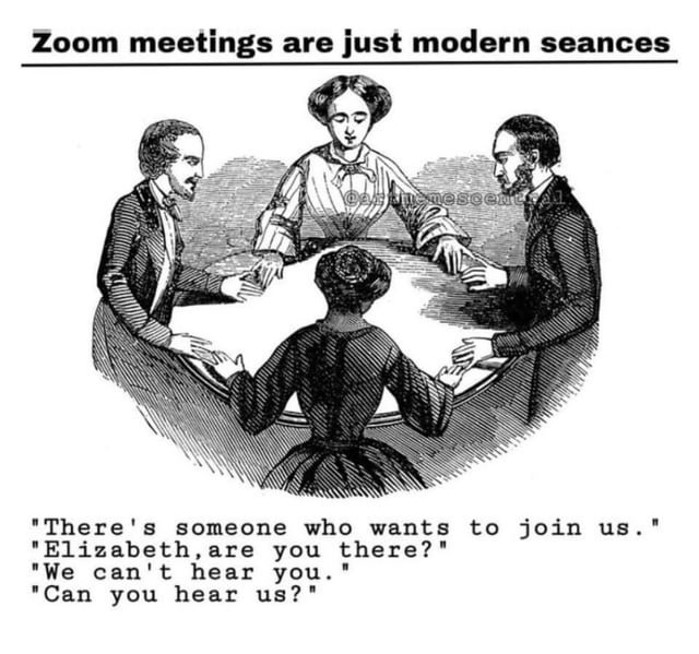
Can’t get your video to come on?
Can’t hear anything?
Can’t get your mic to work?
Keep getting kicked out?
FIRST thing to do: Obvious, but often missed-in-a-panic stuff: Check your volume is turned up! Check covers over camera lenses! Are you headphones connected via Bluetooth and hiding in your bag?
Log out of the session and log back in again on same link. Look for any dialogue boxes asking if the prog can use your mic/cam. Often these get missed.
Close other programmes using mic and cams – they may be stopping the use of them on other programs.
Download the software/app for the particular course you are on (e.g. Zoom/Teams client) if you are able (although preferably do this the night before) – the experience and functionality is much better.
Bandwidth can be an issue meaning you get kicked out or can’t stream a webcam. Close other programs, turn off as much unnecessary stuff in your environment using internet (E.G. tablets/phones on standby), sit closer to the router, restart the router. Open doors between rooms if router is in another room.
If it is an unusual problem – have a quick google to troubleshoot – there's always someone else on a message board somewhere who had the same issue and solved it on a forum somewhere.
IMPORTANT: Know where the mute and stop video buttons are!! Especially if you take your device with you to the toilet so you can carry on listening. TRUST ME, it's happened more than once where a delegate has been up to something they probably didn't want anyone to see, yet everyone saw!! (it's happened to trainers I know as well - Becky if you are reading this, I'm sure everyone loved your on-the-break-workout!).
And I see a LOT of people shouting at husbands - this seems to be a very common occurrence hmmm...
MORE TIPS: DURING THE COURSE
Are you a bit nervous in large groups or new situations? Me too! I used to get panic attacks and there is no way I would have ever envisioned doing the job I do now back then. But I forced myself out of my comfort zone and after years of practice, I know comfortably (ish) deliver talks to over a hundred people if I am invited to. You can be sure to know that I totally understand nerves, and I never mind if someone wants to turn their screen off briefly, or leave the room for a minute, stay quiet for a bit, or just chat with me privately. I want you to be comfortable on my course so do what you need to do to be happy and relaxed. Learning is very difficult if you're not able to concentrate. YOU GOT THIS!
Don't hesitate to speak to me privately at the start of a course if there is anything I can do to make your experience better or easier.
(Bonus tutor insight: if it makes you feel any better, no matter how confident a tutor looks, we all get the pre-course nerves too!!)
NOTE-TAKING TIPS: Some people like to take notes and others do not. Some benefit from writing furiously throughout and others just find it confusing and just want to listen. That's OK. Do what helps you the most. My personal preference when taking notes is to have four lists on the go so my notes are organised. I add to them accordingly as I go along. Works for me when I'm a delegate on a course.
TO DO LIST
GLOSSARY
TO READ LIST
REFLECTION POINTS (I use this list to inspire me for blog titles and future course content)


MORE TIPS: AFTER THE COURSE
It's not easy being on an intensive course for a large part of the day. If you're in a similar situation to me then you will probably need to dash off and see to the family or make dinner or walk the dog, but try to take just a few minutes to reflect before you get back to the grind of daily life. Life can be just relentless sometimes eh? Try to take a moment.
NURSEY TIP: If you are on the NMC register, has anything come up that might be useful for a revalidation reflection?
70% of people are visual learners who really benefit from seeing things in front of them. I suggest a trip to the stationary shop to buy some binders and dividers and make yourself a nice study file full of cheat sheets. Of course, I would always encourage you to use LIVE resources in practice and have a great selection of organised bookmarks, but there is still a role for good old-fashioned paper when you're learning. I've suggested some contents below and some printing above for use during the course. Highlighters at the ready!!
Don't forget to use the website pages mentioned above to help you with both bookmarking and creating physical study files in the subject pages.
Suggested Portfolio Content for Travel Healthers
Guidance documents - RCPSG and RCN and Malaria guidelines (see this page for all those)
Template risk assessment and management forms
Summary of travel vaccines / boosters as a quick reference guide (always go by PGD in practice though!). I've made one and so has the fabulous Jane Chiodini. Check out the tools page for some more templates.
Price lists (if applicable)
Ordering information, local referral services
UK schedules and incomplete algorithm posters
Child specific things like malaria dose calculator posters
Disease specific factsheets (e.g. see Travel Health Pro and VKP)
Complex traveller/trip factsheets
Travel health advice - general. Such as altitude, sun safety, food and drink advice, insect bite avoidance
Competencies - signed off and completed (also see portfolio contents for immunisers)


Suggested Portfolio Content for Immunisers
Vaccine or eligibility summary posters for your specific vaccines (browse the portals for your vaccines)
Guidance documents (e.g. incident management)
Competencies (for all here and for PGD users here as well)
Individual vaccine factsheets (e.g. find some summaries on the fabulous VKP)
Assessments (such as quiz results / completed workbooks). You will still have some gaps in your workbooks after the course but once you have completed it, it will go nicely in your portfolio along with the two immunisation quizzes.


Dyslexia & neurodiversity in the workplace and on training courses
I know that life becomes generally harder to navigate when there's a learning difficulty in tow.
I also know that when I was a lecturer in an FE college, the very FIRST thing we did was assess people's needs and make adjustments all over the place to ensure they had a happy educational experience.
THIS priority often comes to a grinding halt once people enter the workplace. Some adults don't even know they have extra needs in the first place. Late or delayed diagnosis is not uncommon. Some people go through their whole lives only to find out much later on that they have been living with Dyslexia, Dyspraxia, Dyscalculia, or ADHD.
Here are some useful practical links if you or a colleague appears to be struggling:
https://www.bdadyslexia.org.uk/ This is how they describe themselves: "The British Dyslexia Association (BDA) is the voice of dyslexic people. We aim to influence government and other institutions to promote a dyslexia friendly society that enables dyslexic people of all ages to reach their full potential.". Nice aims!! And some useful info on the website too around learning and workplace adjustments. See https://www.bdadyslexia.org.uk/advice/employers/how-can-i-support-my-dyslexic-employees/reasonable-adjustments-in-the-workplace
https://www.inclusiveemployers.co.uk/blog/understanding-dyslexia-in-the-workplace/ A very useful bit of information defining 'learning difficulties' and tips for inclusivity in the workplace.
How neurodiversity-friendly is your clinic? Is it time you considered some workplace training for you and your team?
Dyslexia and me: ‘Don’t let your differences stop you’. District nurse Teresa was diagnosed with dyslexia as an adult. She shares her strategies for success in work.


Neurodiversity in medical education. Suggested reading:
Hedlund A. (2023) Autistic Nurse: Do they exist? British Journal of Nursing 32 (4) 210-214
Major R. & Tetley J. (2010) Effects of Dyslexia on Registered Nurses in Practice Nurse Education in Practice 35, 7-13
Neurodiversity Guidance (RCN) For Neurodivergent healthcare professionals and healthcare students and their managers, mentors, teams and union reps.
Royal College of Midwives (2024) Neurodivergence Acceptance Toolkit. Royal College of Midwives
White J.F. (2024) Neurodiversity & nursing: Reflection of a final year general nursing student. Nurse Education Today